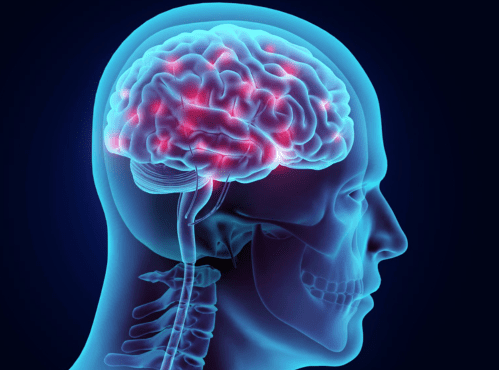
Types of traumatic brain injuries can vary in severity, ranging from mild to severe. Common types include concussions, contusions, and penetrating injuries. Causes of traumatic brain injuries can be attributed to accidents such as falls, car crashes, or sports-related incidents. Symptoms may manifest differently depending on the individual but commonly include headaches, dizziness, memory loss, and changes in mood or behavior. Long-term effects and complications of traumatic brain injuries can have a profound impact on an individual’s quality of life and may result in cognitive impairments or physical disabilities.
- Different types: concussions, contusions, penetrating injuries
- Causes: falls, car crashes, sports-related incidents
- Long-term effects: cognitive impairments, physical disabilities
Symptoms of Traumatic Brain Injury
One of the most serious injuries someone can sustain in a motor vehicle accident is a Traumatic Brain Injury (TBI). These injuries are often invisible with no corresponding bleeding or bruising, but they can have lasting effects. TBI’s are often overlooked and go undiagnosed for weeks.
- Headaches
- Difficulty concentrating
- Difficulty in finding words (aphasia)
- Problems with short-term memory
In serious cases, the individual may experience retrograde amnesia – the loss of hours or days leading up to the accident. While normally accompanied by a loss of consciousness, even an altered state of consciousness can result in a TBI. You can reference more in-depth information about Traumatic Brain Injury at the National Library of Medicine.
Symptoms can Include Cognitive Loss
These cognitive deficits can impact a person’s ability to engage in the activities of daily living, perform their normal employment functions and even maintain relationships with family and loved ones. These injuries can be permanent and can be incredibly life-altering. In the most severe cases, they can necessitate a life care plan to provide care and treatment throughout the life of the victim.
Traumatic Brain Injury Diagnosis
Brain injuries can often be seen in an MRI, CT-Scan or even a PET Scan. However, these can exist even without any specific objective findings. TBI’s can be diagnosed through the use of neuropsychological testing which can demonstrate that someone who could function at a normal/average level prior to the accident or trauma is now functioning at below-average levels on standardized measures of various types of cognitive activities.
Litigating TBI Cases in Nevada
When it comes to traumatic brain injury cases in Henderson, Nevada, you want to ensure that you have trusted legal representation on your side. At Jones Wilson Injury Lawyers, we have a proven track record of success in handling traumatic brain injury cases, and our experienced attorneys are dedicated to fighting for the rights of our clients.
With our extensive knowledge and expertise in this area of law, we understand the complexities and challenges associated with traumatic brain injury cases. We have handled numerous cases involving brain injuries in Henderson, and our attorneys have the skills and resources necessary to build a strong case on your behalf.
While it is impossible to guarantee specific outcomes in any legal case, when you are represented by Jones Wilson Injury Lawyers we we will work tirelessly to maximize your chances of success. We will thoroughly investigate the details of your case, gather evidence, consult with medical experts, and aggressively pursue the compensation you deserve.
This article is presented for the sake of outlining common injury-related symptoms. We do not provide medical advice or diagnoses. If you’ve been injured and require medical assistance, please consult your medical provider.